
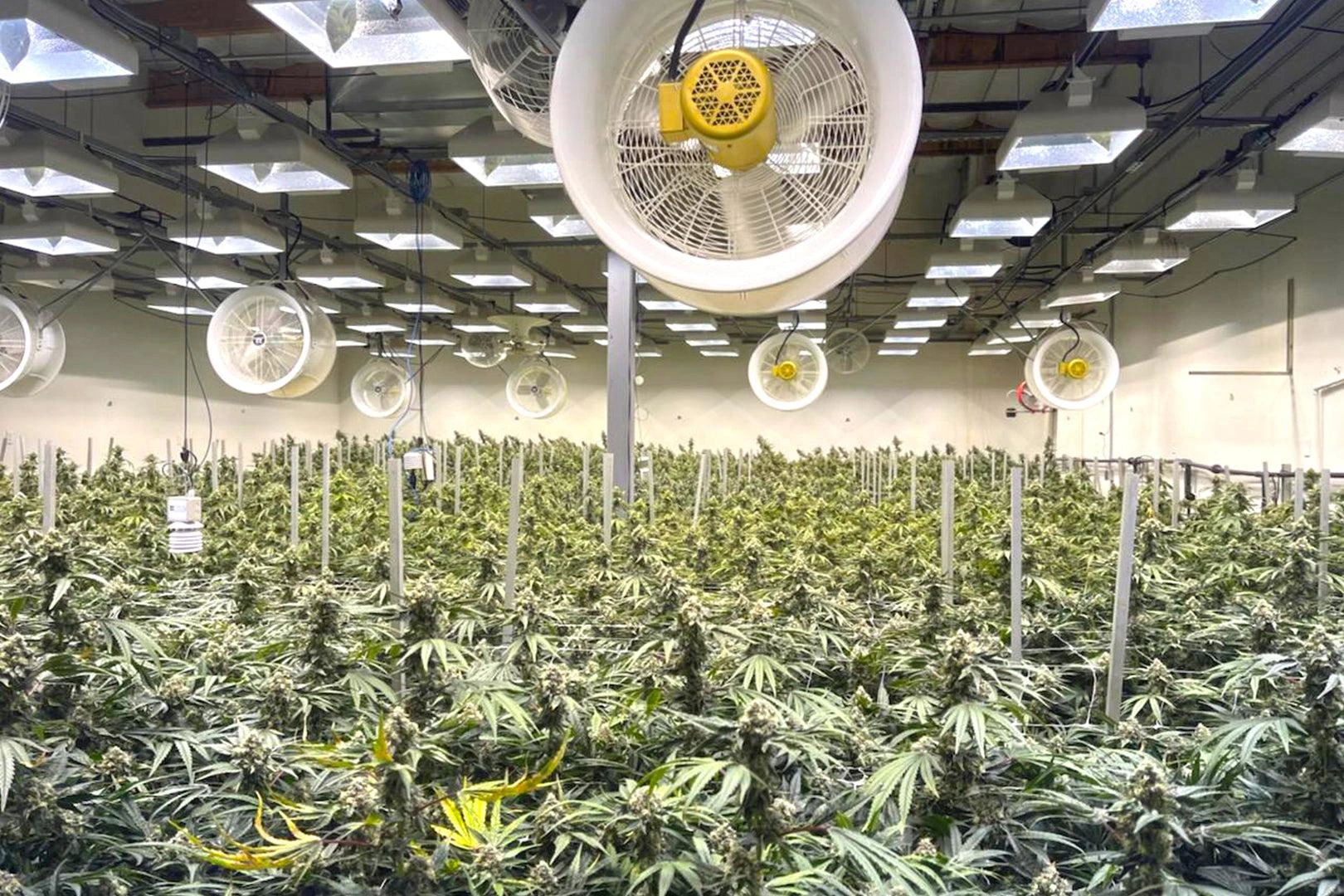
Plants are highly sensitive to their surroundings, and even minor fluctuations in environmental conditions can have a noticeable impact on their overall development. Factors such as temperature, humidity, light intensity, and airflow all work together to support healthy growth. When any of these elements are out of balance, plants may struggle to absorb nutrients properly, leading to slower growth rates and reduced vitality.
An unstable environment can result in a range of problems, including weak plant structure, nutrient deficiencies, and significantly lower yields. Over time, these issues can affect both the quality and consistency of growth. In contrast, a well-controlled and stable setup allows plants to develop in a more predictable and efficient way, supporting each stage of their life cycle and ultimately leading to stronger, healthier, and more productive results.
Temperature plays a key role in how plants absorb nutrients and carry out growth processes. Too much heat can stress plants, while low temperatures can slow development. Similarly, humidity must be balanced according to growth stages. Higher humidity supports early growth, while lower humidity is better during later stages to prevent mold and moisture-related issues.
Good airflow is essential for maintaining a healthy growing environment because it ensures plants continuously receive a fresh supply of air. This constant exchange of air helps prevent stagnant conditions, which can otherwise create an ideal environment for mold, mildew, and other growth-related issues. When air moves properly through the growing space, it also supports more balanced environmental conditions, keeping temperature and humidity levels more stable.
Proper ventilation plays a key role in overall plant health by regulating heat and reducing stress on the plants. It helps strengthen plant structure by encouraging sturdier stems and improving their ability to handle environmental changes. In addition, consistent air movement reduces the risk of pests and diseases while supporting healthier leaf development, leading to stronger, more resilient plants with improved growth performance over time.
Your growing environment depends on your goals and resources. Indoor setups offer full control over all conditions, making them ideal for consistent results. Greenhouses provide a balance between natural light and environmental control. Outdoor growing relies on natural conditions, which can be effective but less predictable. Each option has its own advantages depending on your needs.
A better grow environment is not just about equipment—it is about maintaining a careful balance of all environmental factors working together in harmony. When temperature, humidity, lighting, and airflow are consistently monitored and properly managed, plants are able to grow in a more stable and efficient condition. This balance reduces stress on the plants and allows them to focus their energy on healthy development instead of adapting to fluctuating conditions.
Over time, this consistency leads to stronger growth, improved plant structure, and higher-quality results. A well-maintained environment also minimizes the chances of common issues such as stunted growth or uneven development. Investing time and effort into setting up and maintaining the right conditions not only improves short-term performance but also ensures more reliable and productive results in the long run.
Complete the form below and we’ll contact you shortly.
"*" indicates required fields